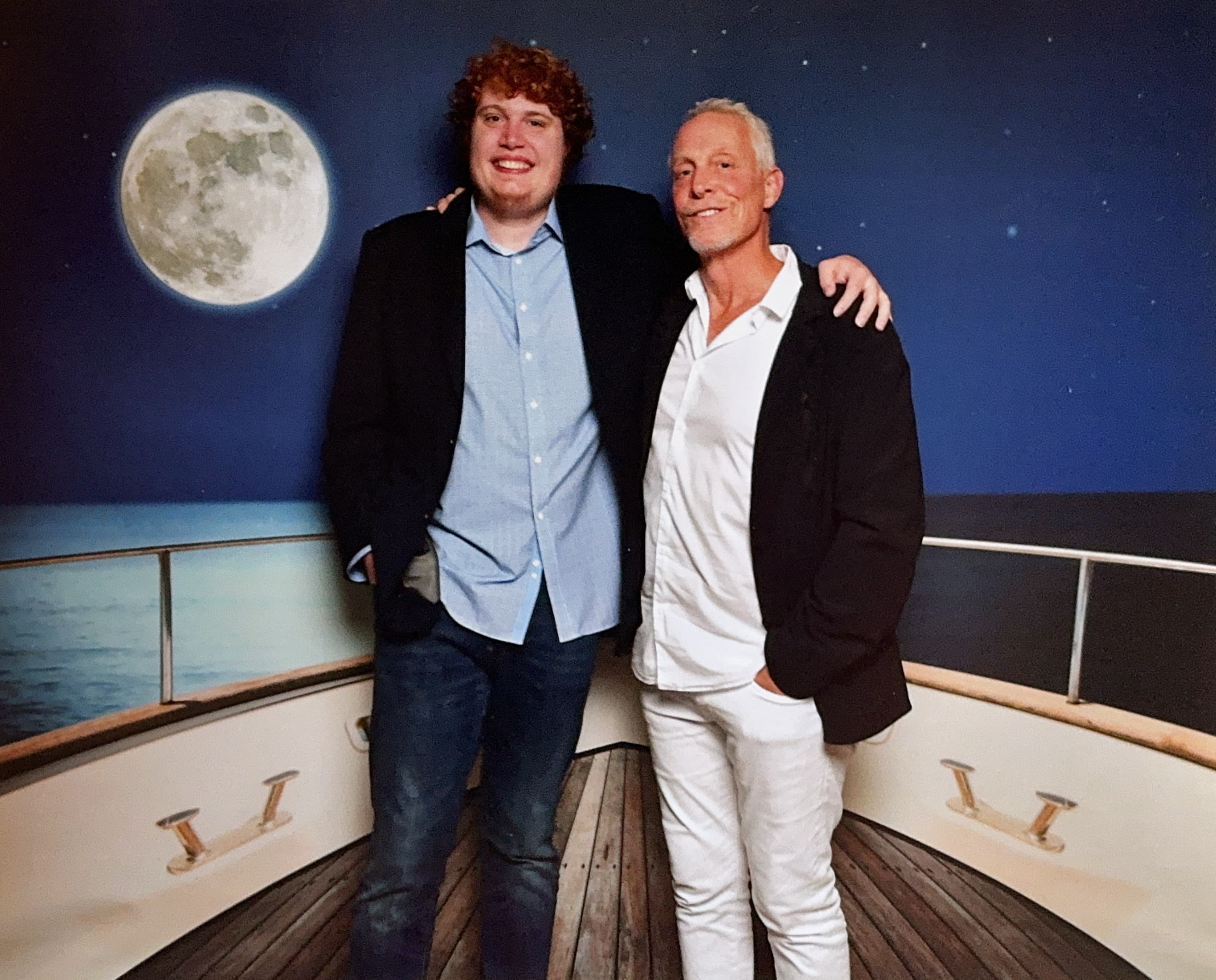
Before
I started using AI because I was trying to be a better advocate for my autistic son.
Once you step into the world of autism, you realize quickly that there is no clear roadmap. You’re dealing with doctors, therapists, schools, alternative treatments, lawyers, insurance constraints, and a constant stream of opinions that don’t always agree.
Everyone has a piece of the truth, but no one has the full picture. And as a parent, you’re the one responsible for putting it all together.
The problem wasn’t a lack of information. It was overload without clarity.
- Different specialists recommending different paths - Therapies that sound promising but lack clear evidence - Research that’s difficult to interpret - New interventions constantly emerging
The question wasn’t “what exists?” but “what actually makes sense for my son?”
What changed
AI became a way to organize, challenge, and pressure-test everything.
I use it as a thinking partner. I input specific situations, behaviors, and recommendations, and ask it to break things down into plain language, identify what’s known, what’s uncertain, and what assumptions are being made.
I compare approaches side by side, including traditional therapies and newer options, to understand evidence, risks, and tradeoffs. I’ll often ask for both a “bull” and “bear” view so I’m not seeing just one perspective.
Before meetings with specialists or attorneys, I use AI to prepare. It helps me draft better questions, identify gaps, and know where to push for clarity.
I also use it for long-term planning. That includes thinking through special needs trusts, benefit eligibility, and long-term care scenarios, so I’m not making decisions in isolation.
I don’t take outputs at face value. I use them to sharpen my thinking.
Outcome
Before using AI, I was often reactive and emotional. With so much uncertainty and so much at stake, it was easy to get pulled in different directions. One strong opinion could shift my thinking.
I was constantly second-guessing myself.
AI introduced structure into that process.
Now I step back and evaluate. I can look at multiple perspectives, understand tradeoffs, and go into conversations prepared with specific questions instead of reacting emotionally.
That changed the quality of my decisions. It reduced risk in a real way by surfacing blind spots and forcing a more disciplined approach before acting.
It also saved time. What used to take hours or days of research can now be organized and pressure-tested much faster.
And emotionally, everything feels calmer. I’m still fully engaged, but less overwhelmed and more deliberate.
The outcome isn’t that everything is solved. It’s that I’m making better decisions, with more clarity and confidence, in an area where that really matters.
Most importantly, it helps me show up as a better father. And that’s the only metric that really matters to me.
Enjoyed this story?
Discover another real way people are using AI.

AI saved my medical interpreter exam score
A medical interpreter student used AI to generate study materials and practice tests, reducing prep time and helping them pass their certification exam.
Read next story